
Social bookmarking has quietly evolved into one of the most adaptable tools in modern digital marketing. While some early platforms faded away, newer bookmarking communities have emerged—each with its own audience, culture, and expectations.
For businesses and website owners, social bookmarking is no longer about mass link placement. Today, success comes from understanding platform behavior, audience intent, and content relevance. When used correctly, social bookmarking can significantly improve online visibility and support long-term SEO goals.
How Social Bookmarking Has Changed Over Time
Early bookmarking sites focused mainly on saving and sharing links. Today’s platforms prioritize:
-
Visual content
-
Engagement signals
-
Community relevance
-
Quality over quantity
This shift means businesses must adapt their approach to remain effective.
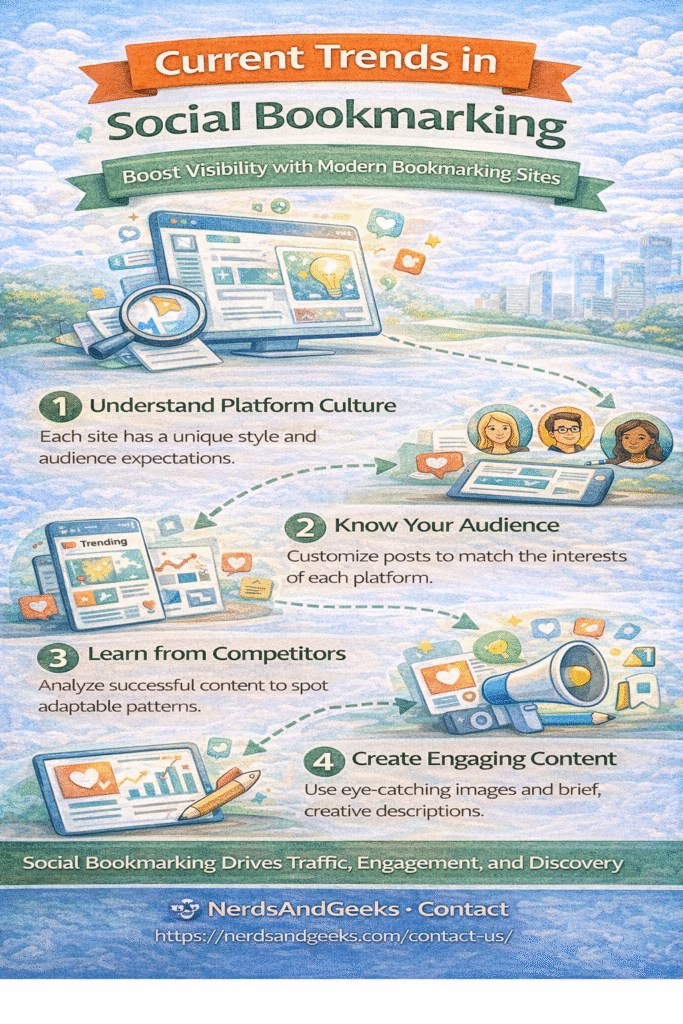
Every Social Bookmarking Platform Has Its Own Culture
No two bookmarking platforms behave the same way. Each has a distinct tone, posting style, and audience expectation.
Some communities prefer:
-
Informative and educational content
-
Clean visuals and concise descriptions
-
Humor or creative storytelling
Before posting, it’s essential to observe how users interact and what type of content performs best.
Know Your Audience Before You Post
Social bookmarking works only when content aligns with the audience’s interests. A post that performs well on one platform may fail on another.
To maximize results:
-
Customize captions and descriptions
-
Match the platform’s communication style
-
Respect community norms
Audience awareness leads to higher engagement and better visibility.
Learn from Competitors Without Copying Them
Competitor analysis is one of the fastest ways to identify trends. By reviewing what similar businesses are posting, you can quickly understand:
-
Which content formats perform well
-
What keywords are being used
-
How often successful profiles post
The goal is not imitation—but insight. Adapt successful patterns in your own voice.
Creative, Eye-Catching Content Wins
Modern social bookmarking favors creative, engaging content. Users scroll quickly, so your post needs to stand out immediately.
Best practices include:
-
Clear, high-quality images
-
Short, relevant descriptions
-
A creative hook or subtle humor
Engagement signals such as saves, upvotes, and shares help content gain extended visibility.
Why Social Bookmarking Still Matters for SEO
Although social bookmarking links are often indirect ranking factors, they:
-
Increase content discovery
-
Drive referral traffic
-
Strengthen brand signals
-
Support content indexing
When combined with strong on-site SEO, bookmarking enhances overall digital presence.
Frequently Asked Questions
What is social bookmarking in modern SEO?
Social bookmarking is the practice of sharing and promoting content on bookmarking platforms to increase visibility, engagement, and referral traffic.
Are social bookmarking sites still relevant?
Yes. While platforms have evolved, bookmarking remains effective when content is relevant and platform-specific.
Does social bookmarking help search rankings?
Indirectly. Bookmarking improves content discovery, brand signals, and traffic, which support SEO performance.
How often should businesses post on bookmarking sites?
Consistency matters more than volume. Posting regularly with quality content produces better results than mass submissions.
Is social bookmarking safe for SEO?
Yes, when done ethically and aligned with platform guidelines. Spammy tactics should be avoided.
How to Use Social Bookmarking Strategically Today
Businesses that succeed with social bookmarking treat it as a community engagement tool, not just a link-building tactic. By respecting platform culture, tailoring content, and staying current with trends, bookmarking can deliver meaningful results.